A Brief History Of Window Refurbishment History Of Window Refurbishment
Window Refurbishment: A Comprehensive Guide
Window refurbishment is an essential element of home maintenance and enhancement that not just improves the visual appeal of a property however likewise enhances energy effectiveness. With time, windows can end up being victims of wear and tear due to environmental elements, leading to problems like drafts, leaks, and decreased insulation. This post explores the advantages, procedures, and factors associated with window refurbishment, supplying property owners with an extensive understanding of what's needed.
What is Window Refurbishment?
Window refurbishment involves the restoration, repair, or upgrading of existing windows. Unlike window replacement, which involves getting rid of old windows entirely and installing brand-new ones, refurbishment focuses on maintaining the original frames and glass, frequently resulting in significant expense savings while maintaining the character of a building.
Benefits of Window Refurbishment
Before diving into the refurbishment procedure, let's look at a few of the crucial benefits:
- Cost-Effective: Refurbishing existing windows is typically more affordable than complete replacement.
- Conservation of Architectural Character: Maintaining original windows helps to preserve the property's historical and architectural stability.
- Improved Energy Efficiency: Modern techniques can improve insulation and reduce heating expenses.
- Lowered Waste: Refurbishment decreases ecological effect by lowering land fill waste from old windows.
- Enhanced Comfort: Properly refurbished windows can eliminate drafts, enhancing indoor convenience levels.
The Window Refurbishment Process
Window refurbishment generally happens in several phases, as described below:
Assessment and Inspection:
- Condition Analysis: Inspect windows for rot, cracks, or structural problems.
- Energy Efficiency Check: Evaluate insulation and sealing effectiveness.
Cleaning and Preparation:
- Surface Cleaning: Remove dirt, paint, and old sealant.
- Repair Work: Address any structural damage, such as rot or decay.
Updating Components:
- Sealing Gaps: Improve weatherization by applying brand-new seals or caulk.
- Glass Replacement: Upgrade to double or triple glazing for better insulation.
Ending up Touches:
- Painting and Staining: Restore or change the outside finish for protection and aesthetics.
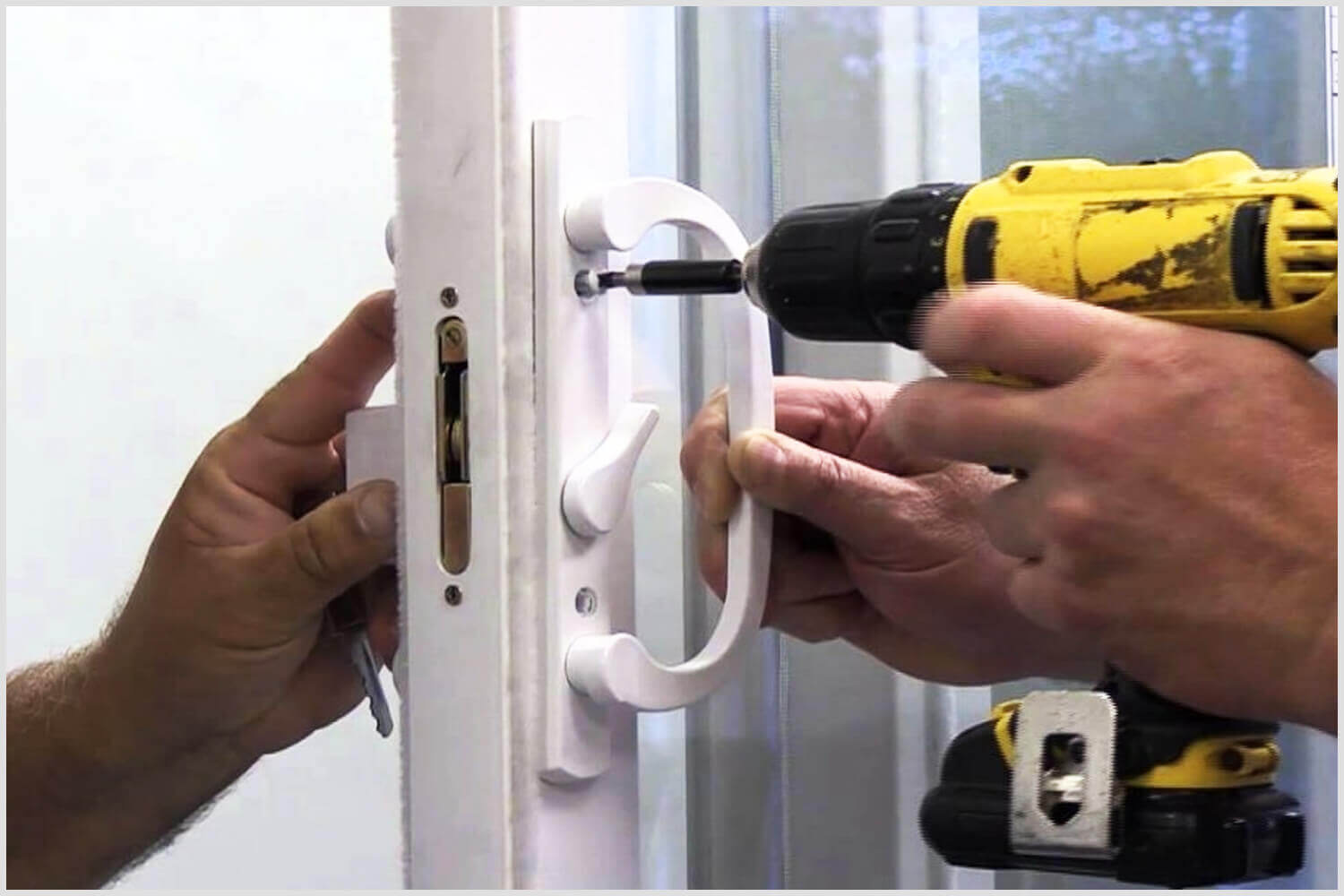
- Hardware Replacement: Update locks, handles, and hinges for enhanced performance.
Last Inspection:
- Ensure all reconditioned parts are operating correctly and effectively.
Secret Considerations
When thinking about window refurbishment, a couple of essential elements ought to guide your decision-making procedure:
Factor
Description
Age of Windows
Older windows may require more substantial restoration efforts.
Building Regulations
Make sure compliance with local building codes, particularly in heritage-listed residential or commercial properties.
Kind of Material
Wood, vinyl, and aluminum have various maintenance requirements and reconditioning techniques.
Budget
Establish a budget plan that represents all elements of refurbishment, consisting of materials and labor.
Frequently Asked Questions (FAQs)
1. For how long does Commercial Property Window Doctor take?
The duration can vary depending upon the variety of windows and the level of the work needed. Typically, it can take anywhere from a couple of days to several weeks.
2. Can all kinds of windows be refurbished?
Most window types can be reconditioned, consisting of wood, aluminum, and vinyl windows. However, the approaches might differ.
3. Is refurbishment eco-friendly?
Yes, refurbishing windows is a sustainable practice as it decreases waste and conserves resources by extending the life-span of existing products.
4. How can I inform if my windows need refurbishment?
Indications include draftiness, condensation in between the panes, peeling paint, and visible damage like rot or fractures.
5. Should I attempt refurbishment myself?
While small repairs can be carried out by homeowners, it's often best to work with professionals for substantial work or if you lack experience, especially with structural changes.
When to Consider Replacement Over Refurbishment
In some instances, window replacement may be better than refurbishment. Consider replacement if:
- The windows are severely harmed beyond repair.
- The cost of refurbishment approaches the cost of new windows.
- You prefer a drastic modification in window design for visual factors.
- Energy effectiveness is substantially jeopardized, and modern replacements could offer better services.
Window refurbishment is a valuable investment for house owners seeking to preserve their property's heritage and enhance energy efficiency. By understanding the refurbishment procedure, its advantages, and key factors to consider, homeowners can make informed choices about the conservation of their windows. Whether looking for to repair, bring back, or improve existing windows, appropriate refurbishment can enhance the appeal and functionality of a home while offering considerable long-term cost savings.
Additional Resources
For those thinking about discovering more about window refurbishment, consider the following resources:
- Local home enhancement workshops
- Online tutorials or DIY videos
- Consultations with professional refurbishers
- Community forums focused on home maintenance
By choosing to recondition instead of replace, property owners not just protect their investment but likewise contribute favorably to the environment.